

Thriving at Midlife — Rethinking Menopause
Dr. Marsha Hamilton is a naturopathic, Menopause Society Certified Provider (MSCP), in private practice at her clinic Flow Natural Health Care. She leads community-based groups for women across all phases of midlife and menopause, and this June she’ll host two midlife workshops and join a panel on empowered aging at the Bend Yoga Festival 2026.
For a stage of life every woman goes through, perimenopause and menopause are still widely misunderstood—and often minimized. Too many women end up navigating it alone. Dr. Hamilton’s work is focused on changing that, giving women the context they need to understand what’s happening and respond with clarity instead of frustration.
We spoke with her about misconceptions, community, and why postmenopause deserves a reframe.
“Your body isn’t broken—it’s adapting.”
One of the first things she tells patients: nothing has gone wrong.
“So many women feel like their bodies are betraying them,” she says. “Energy dips, sleep changes, mood shifts, workouts feel different—and without context, it can feel chaotic.”
But this isn’t dysfunction. It’s a biological transition.
That doesn’t mean it’s subtle. Hormonal shifts at this stage affect nearly every system—brain, metabolism, muscle, digestion, nervous system—which is why the experience can feel so uneven.
“When women don’t have good information, it creates fear,” she says. “They start to mistrust their bodies.”
Her focus is simple: replace that uncertainty with understanding.
“You’re not doing anything wrong,” she says. “Your body is adapting. And there’s a lot you can do to support it.”
Why community changes the experience

Photo credit: Flow Natural Health Care
In her programs—Pause and Pause Plus—education and movement are central. But the shift she sees most often comes from something less clinical: being around other women going through the same thing.
“A lot of women assume they’re the only ones dealing with this,” she says.
That isolation amplifies everything.
“But when they’re in a room together, the question changes,” she says. “It’s no longer ‘what’s wrong with me?’—it’s ‘oh, this is part of it.’”
That normalization is immediate—and powerful.
From there, things build. Women start comparing notes, adjusting habits, testing what works. The focus moves from symptom management to real-time adaptation.
“There’s something powerful about seeing other women still building strength in midlife,” she says. “It expands what feels possible.”
Education gives direction. Movement builds connection. But community is what makes it stick.
Postmenopause isn’t decline
This is where Dr. Hamilton pushes hardest against the narrative.
“There’s this idea that it’s all downhill,” she says. “It’s not.”
Yes, the body changes. Bone density, muscle mass, metabolic health, cognitive function—all require more intention. But none of that equals inevitability.
“The body is highly adaptable,” she says. “You can build muscle. You can strengthen bone. You can improve metabolic health. Your brain can continue to change.”
That’s the foundation of Pause Plus—giving women both the understanding and the tools to support long-term health.
“It’s not about reversing anything,” she says. “It’s about working with the body you have now—and building from there.”
A different way to move through midlife
At the core of her work is a shift: from confusion to understanding, from passivity to agency.
“When women understand what’s happening, everything changes,” she says. “They stop feeling at the mercy of it.”
They start making decisions differently. Training differently. Recovering differently. Thinking differently about what’s ahead.
“This isn’t the end of something,” she says. “It’s a transition. And it can be a powerful one.”
Dr. Marsha Hamilton is a naturopathic menopause doctor in private practice her clinic, Flow Natural Health. She leads community-based groups for women in all phases of menopause. She’s leading two workshops on midlife at the festival, and participating in a panel discussion on empowered aging.
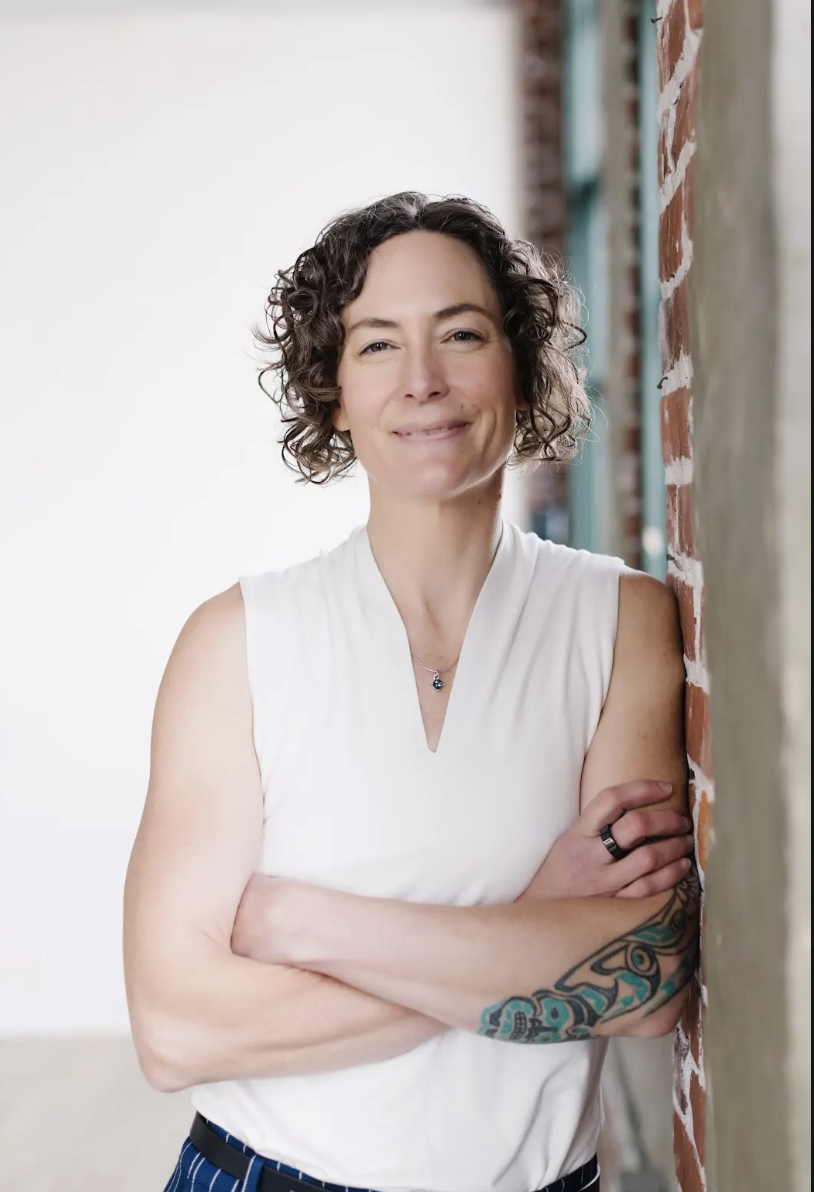
Connect with Dr. Marsha Hamilton in June at the 2026 Bend Yoga Festival.
Instead, they begin to see this phase as one where strength, resilience, and purpose can still be actively developed.
And maybe most importantly—they start to feel like themselves again.
“This isn’t the end of something,” Dr. Hamilton says. “It’s just a transition. And with the right support, it can be a really powerful one.”
Find Dr. Marsha Hamilton on the 2026 Festival Schedule:
Friday, June 12, 5:00pm: Empowered Aging: A Panel Discussion — What does it mean to age with strength, clarity, and agency?
Saturday, June 13, 1:00pm: The Body’s Changing Architecture: Strength & Movement at Midlife
Sunday, June 14, 1:00pm: The Nervous System at Midlife: Stress, Recovery & Resilience